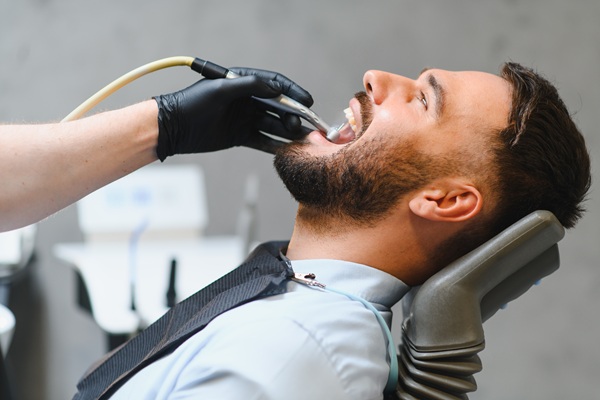
Deep teeth cleaning is a specialized dental procedure that removes plaque and tartar buildup beneath the gumline. It is recommended for patients with early to moderate periodontal disease or those at risk of developing gum infections. Unlike routine cleanings, deep teeth cleanings target bacteria that contribute to gum disease and bone loss. Recognizing the signs that indicate a need can help prevent serious oral health complications.
1. Persistent gum inflammation and bleeding
Healthy gums should appear firm and pink, with no signs of swelling or redness. When gums become inflamed, tender, or bleed during brushing or flossing, they may indicate gingivitis or early-stage periodontal disease. Inflammation is often caused by bacteria accumulating beneath the gum line, leading to infection and tissue damage.
Deep teeth cleaning removes harmful bacteria and tartar deposits contributing to gum inflammation. Addressing the infection at its source helps prevent the progression of gum disease and restores gum health. If left untreated, inflamed gums can recede, exposing tooth roots and increasing the risk of tooth sensitivity and decay.
2. Persistent bad breath or unpleasant taste
Chronic bad breath, also known as halitosis, is often caused by bacteria trapped in deep gum pockets. Even with proper brushing and flossing, bacteria can accumulate beneath the gums, producing foul-smelling gases that lead to persistent bad breath. An unpleasant taste in the mouth may also indicate the presence of infection or decaying food particles that regular cleaning methods cannot reach.
Deep teeth cleaning eliminates these bacteria by thoroughly scaling and root planing the affected areas. Scaling removes plaque and tartar from below the gum line, while root planing smooths the tooth roots, making it more difficult for bacteria to accumulate. Patients who undergo deep teeth cleaning often experience fresher breath and improved oral hygiene.
3. Gum recession and deep pockets around teeth
Gum recession occurs when the gums pull away from the teeth, exposing the roots and creating pockets where bacteria can thrive. As these pockets deepen, they become more challenging to clean with routine oral care. If left untreated, deep gum pockets can lead to further tissue and bone loss, increasing the risk of tooth mobility and eventual tooth loss.
Deep teeth cleaning helps manage gum recession by reducing bacterial buildup and allowing the gums to heal. By eliminating infection and promoting reattachment of the gums to the teeth, this procedure helps stabilize the oral environment and prevents further deterioration of gum tissue.
Get a deep teeth cleaning today
Recognizing the early signs of gum disease can help prevent serious oral health complications. Persistent gum inflammation, chronic bad breath, and gum recession indicate that deep teeth cleaning may be necessary. This procedure removes bacteria, reduces gum pocket depth, and promotes long-term oral health. Patients experiencing these symptoms should seek professional evaluation to determine if deep teeth cleaning is the appropriate course of treatment. For more information, schedule a consultation visit today at Cohen's Gentle Dental.
To schedule a consultation, request an appointment on our website at https://alcott.cohensgentledental.com or call Cohen's Gentle Dental at (718) 502-8183 for an appointment in our The Bronx office.
Check out what others are saying about our dental services on Yelp: Deep Teeth Cleaning in The Bronx, NY.
Related Posts
Preventive dentistry can support your efforts to keep your mouth healthy, including practicing good oral hygiene, eating a balanced diet, and avoiding things that can damage your teeth and gums. Good oral hygiene goes a long way in helping to prevent common dental issues, such as tooth decay and gum disease, but sometimes it is…
A tooth extraction can relieve pain, remove a badly damaged tooth, or prepare the mouth for additional dental treatment. However, proper aftercare plays an important role in protecting the extraction site and supporting total healing. Patients also need to continue caring for the surrounding teeth without disturbing the area. While the general dentist can provide…
Teeth whitening has become one of the most popular cosmetic dental treatments, and many patients choose at-home options because they offer convenience without sacrificing professional oversight. Unlike over-the-counter products, professionally provided whitening systems combine customized treatment with predictable results. A dentist often recommends the right whitening approach based on each patient's goals, oral health, and…
If a cold drink or a hot meal consistently triggers tooth sensitivity, you may wonder whether the sharp flash of pain warrants a professional dental visit. A main goal of general dentistry is to catch minor issues before they become major issues. Here are some tips on when you should seek professional dental care for…